Why Vietnam Tour Packages Are Trending Among Indian Travelers
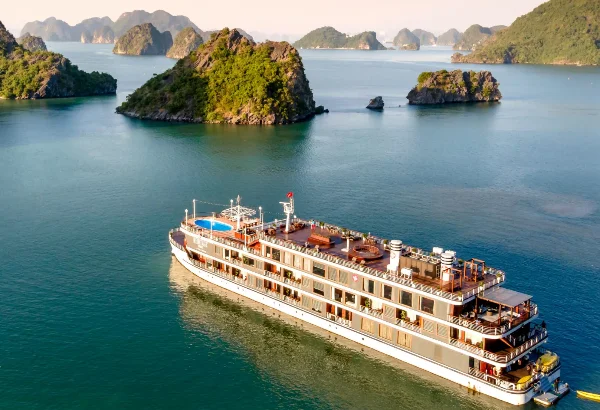
Three years ago, mentioning Vietnam as a holiday destination often earned blank stares. Now, it shows up everywhere. Hanoi’s Old Quarter, Ha Long Bay cruises, lantern-lit evenings in Hoi An—Vietnam is suddenly all over Indian travel feeds.
This shift did not happen quietly. Around 2022–23, Vietnam tour packages started replacing Thailand and Bali banners across travel websites. And this wasn’t random trend-hopping. Real changes pushed Vietnam into the spotlight.
The Visa Situation Changed Everything
Until a few years ago, Vietnam visas involved paperwork, embassy visits, and waiting periods. Then came e-visas. Then visa-on-arrival. And in August 2023, Vietnam introduced visa-free entry for Indian passport holders for up to 45 days.
That single move removed the biggest mental block. No forms. No fees. No planning trips around visa timelines. Just book flights and go.
Compared to Schengen visa stress or even Japan’s still-structured process, Vietnam suddenly felt effortless. And Indian travelers responded immediately.
It’s Genuinely Affordable
A standard Vietnam travel package typically costs ₹45,000–₹70,000 per person for 6–7 days, including flights, hotels, and sightseeing. That’s often less than what people spend on Goa once everything is added up.
Daily costs stay low too. Street food meals around ₹100–150. Comfortable restaurant dinners for two under ₹800. Beers cheaper than bottled water in many places.
Even premium Vietnam trips with five-star hotels and private tours usually stay under ₹1.5 lakh. The same budget barely covers a few days in Europe.
The currency exchange helps as well. One Indian rupee converts to hundreds of Vietnamese dong, making spending feel light even when experiences are rich.
Food Anxiety Is No Longer a Deal-Breaker
This matters more than most people admit.
Vietnam has adapted quickly to Indian travelers. Hanoi, Ho Chi Minh City, and Da Nang now have plenty of Indian restaurants serving proper North and South Indian meals. Not just token options, but familiar comfort food.
Street food also offers vegetarian-friendly choices. Vegetarian pho, banh mi without meat, fresh spring rolls, and plenty of rice-based dishes.
Because of this, many Vietnam trip package itineraries now explicitly mention Indian meal options. It’s marketing—but it works because the concern is real.
Instagram Played Its Part
Vietnam photographs exceptionally well.
Hoi An’s lanterns, Ha Long Bay’s limestone karsts, French-colonial streets, and endless scooters weaving through cities—it all looks cinematic. Influencers picked up on this around 2021–22, and soon regular travelers followed.
Social media created momentum. Each post inspired more bookings. Travel agencies noticed the engagement and adjusted fast, even introducing short Vietnam trips focused on the most photogenic locations.
Flight Connectivity Improved Massively
Direct flights from Delhi and Mumbai to Hanoi and Ho Chi Minh City changed the game. Earlier connections through Bangkok or Singapore added hours.
Now, direct flights take around 5–6 hours. That’s shorter than flying to several Indian destinations. Weekend-style international trips suddenly became possible.
Airlines like VietJet and Bamboo Airways price aggressively, with return fares often between ₹18,000–₹25,000 when booked smartly. More flights also meant flexible departure days, not just fixed weekend batches.
Different Enough Without Being Overwhelming
Vietnam hits a rare balance. It feels foreign, but not intimidating.
You get Southeast Asian culture, beaches, temples, and street markets. But cities like Ho Chi Minh are modern enough that culture shock stays manageable. Ride-hailing apps work smoothly. Locals are helpful. Things function logically.
There’s European-style architecture without European prices, and luxury cruises without Maldives-level costs. That comfort-adventure balance appeals strongly to Indian travelers.
Timing Worked Perfectly
Visa ease, affordability, better flights, food comfort, and social media momentum all aligned at the same time. That kind of convergence is rare.
Vietnam didn’t suddenly change. Conditions around it did.
And when that happens, travel trends don’t just appear—they stick. Vietnam’s rise among Indian travelers feels less like a phase and more like a long-term shift.